
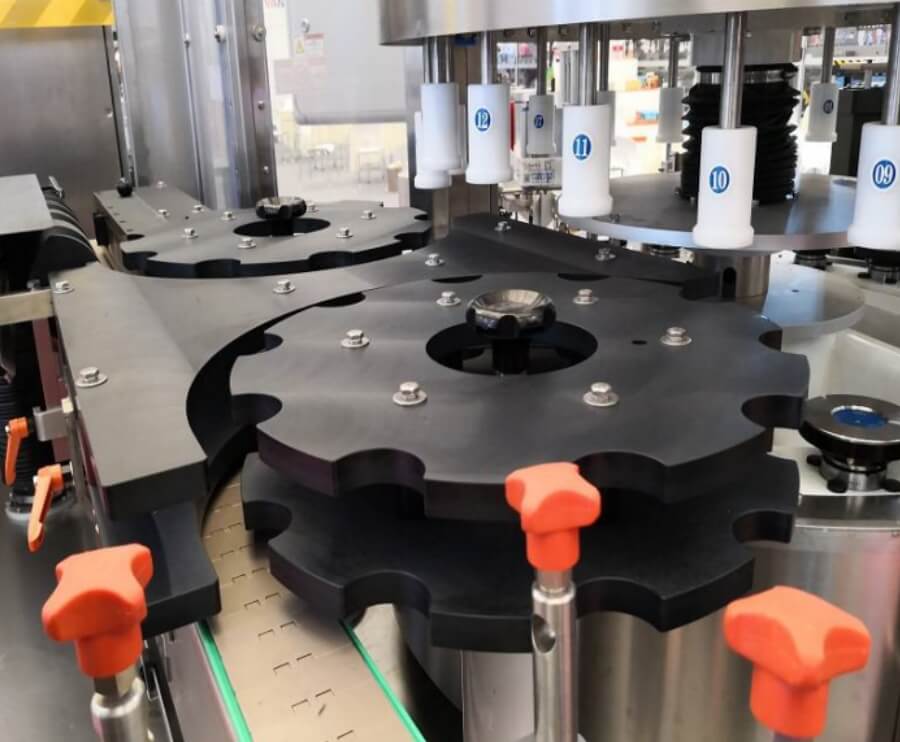
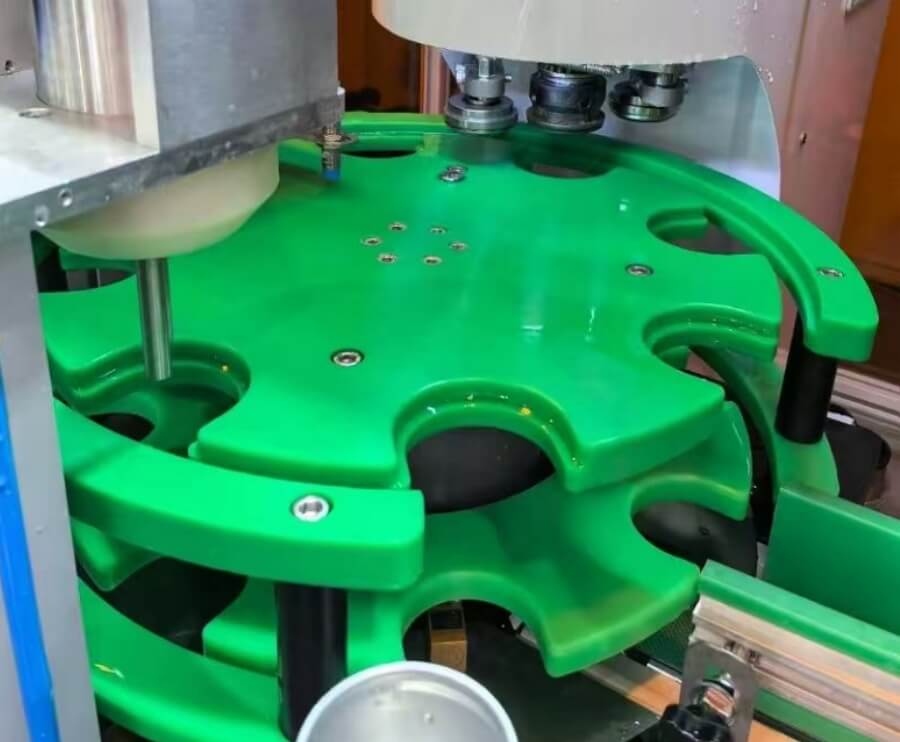
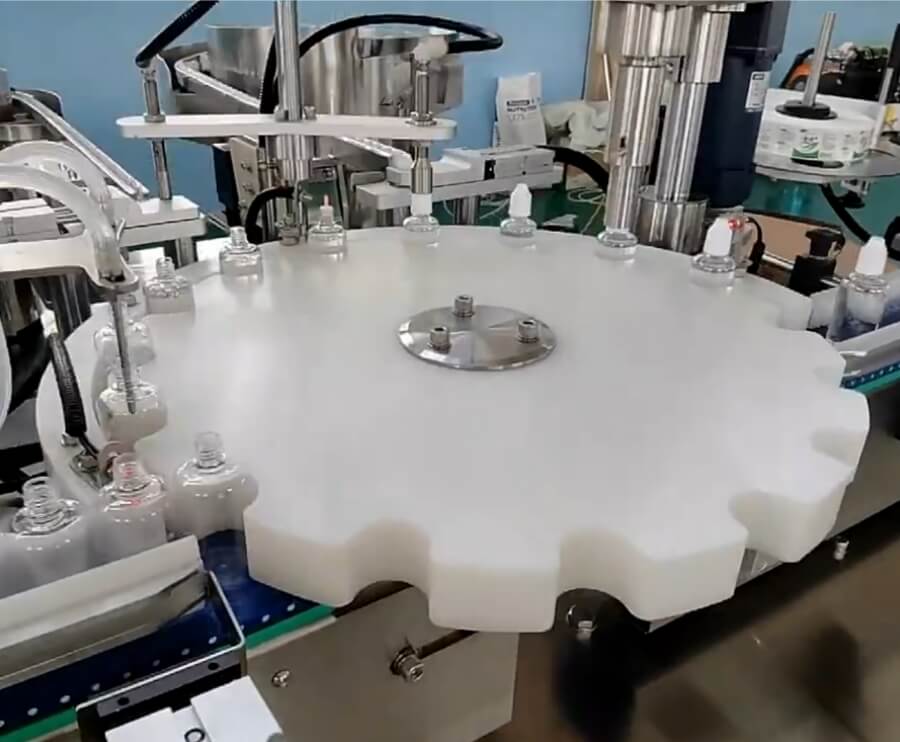
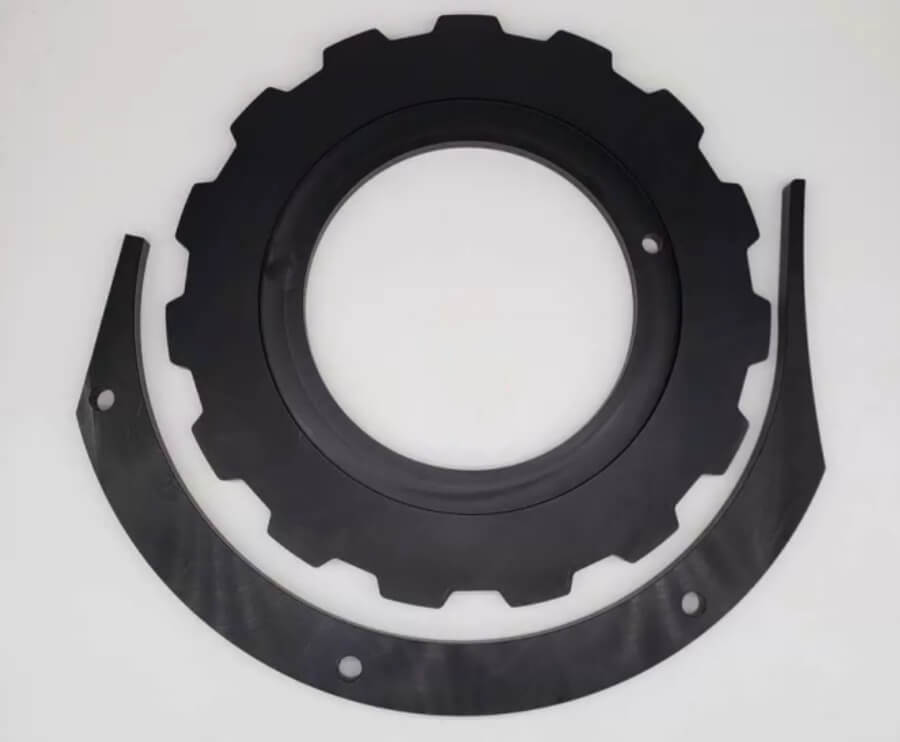
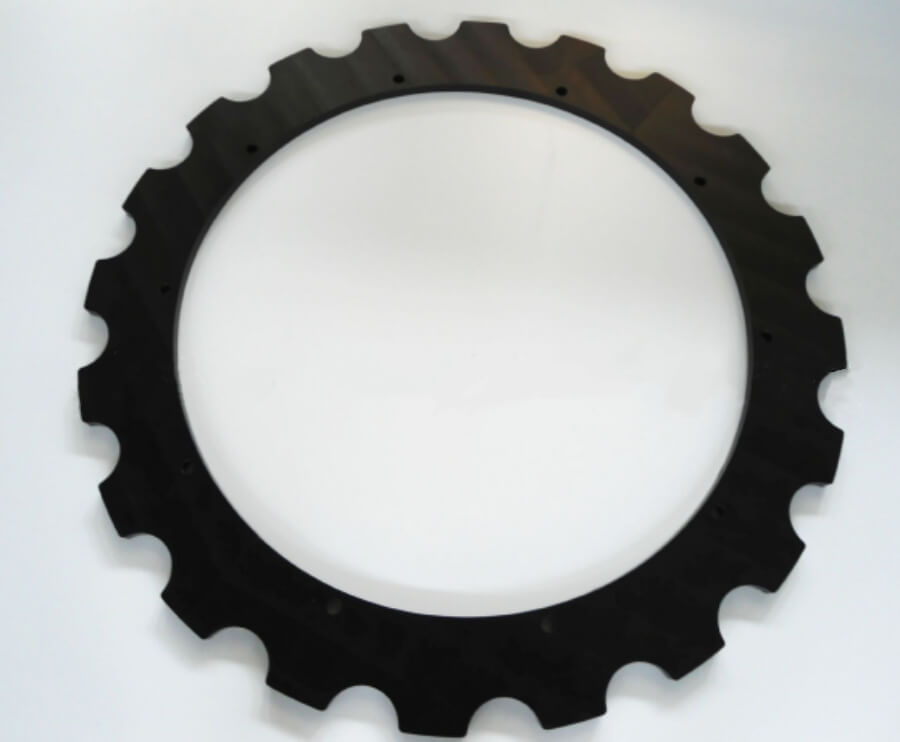
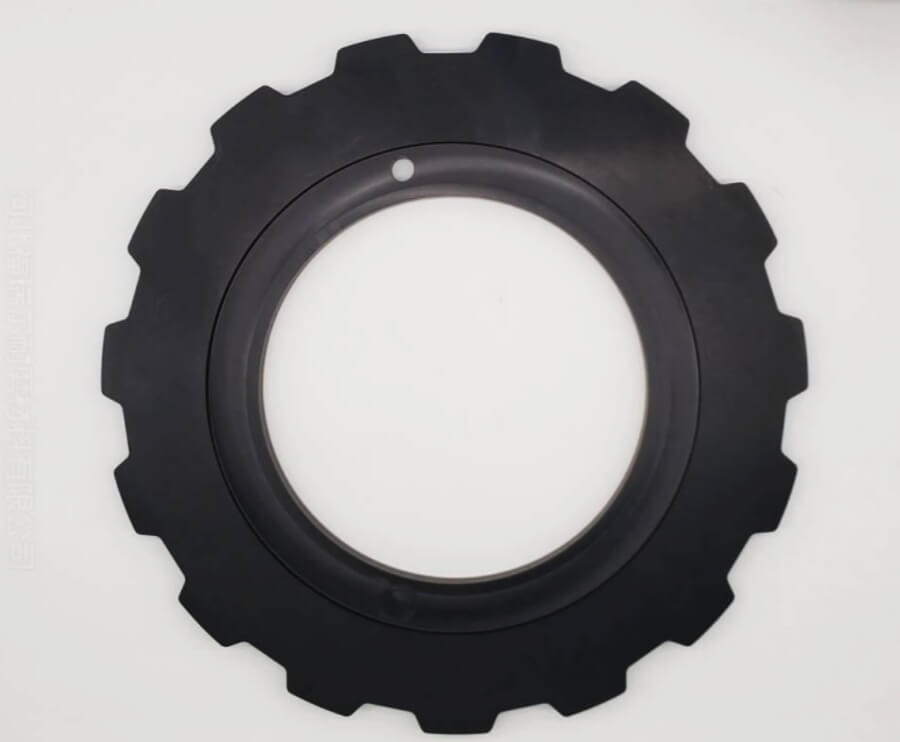
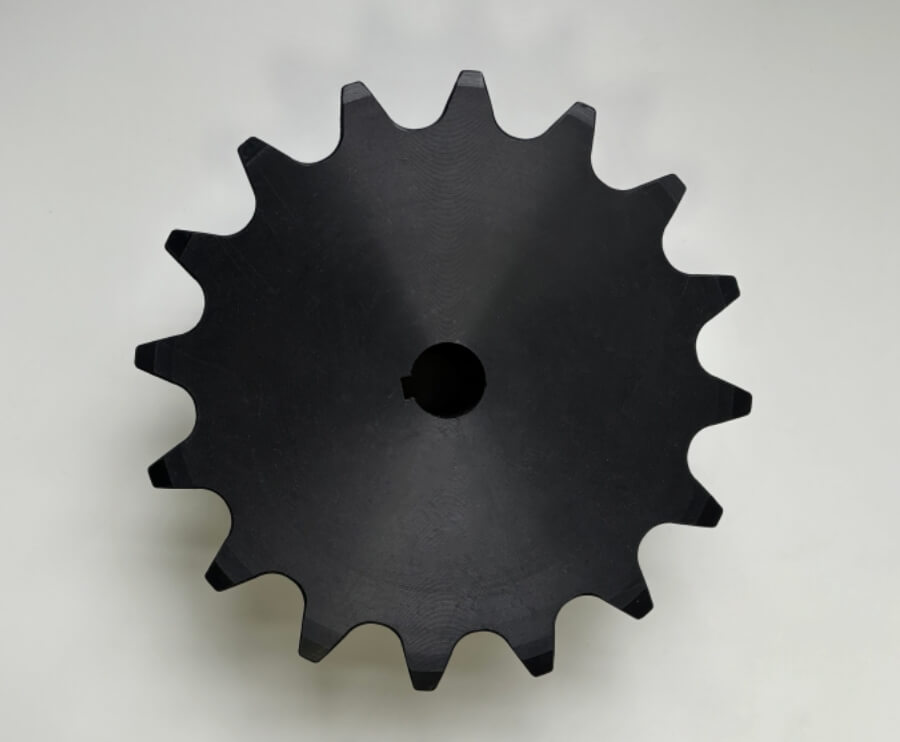
Durable, quiet-running sprocket solutions.
UHMWPE Drag Flight
UHMW sprockets deliver exceptional wear resistance and smooth, low-noise operation for conveyor and automation systems. Made from ultra-high molecular weight polyethylene, they offer superior lubrication-free performance, corrosion resistance, and a long service life.
Overview of UHMW Sprockets
UHMW sprockets are chain wheels made from UHMWPE (Ultra-High Molecular Weight Polyethylene), used in industrial conveying systems to drive chains, bottles, or materials along production lines.
They are often used as a replacement for metal sprockets because UHMW offers:
- Outstanding wear resistance — much longer service life than nylon or metal, even under high-speed operation.
- Self-lubricating performance — no need for oiling; smooth running that reduces maintenance costs.
- Rust-free and corrosion-resistant properties — ideal for hygiene-sensitive industries such as food, beverage, and pharmaceutical production.
- Low noise — significantly quieter than metal sprockets, reducing overall machine noise.
- Non-absorbent and non-stick surface — smooth surface prevents material adhesion.
Key Advantages of UHMW Sprockets
- Quiet operation: Plastic material absorbs vibration and reduces transmission noise compared to metal sprockets.
- Chain protection: Low friction and softer tooth surfaces greatly extend the service life of the matching chain.
- Maintenance-free: Self-lubricating, non-rusting, and corrosion-resistant—perfect for humid, dusty, or corrosive environments.
- Non-conductive: Excellent electrical insulation, suitable for explosion-proof or anti-static environments.
Main Application Fields
- Beverage filling production lines
- Pharmaceutical industry star wheels and conveying systems
- Packaging machinery conveyor systems
- Food processing equipment
- Automated production lines
Sprockets Material Comparison
| Feature | UHMW Sprockets | Metal Sprockets (Steel/Iron) | Nylon / PP Sprockets |
|---|---|---|---|
| Weight | Extremely light (≈1/8 of steel) | Heavy | Relatively light |
| Wear Life | Extremely long | Long (prone to rust) | Moderate |
| Noise | Very low | High | Medium |
| Self-Lubrication | Excellent | Requires oil | Moderate |
| Water / Corrosion Resistance | Excellent (rust-free) | Prone to rust | Moderate |
| Low Temperature Resistance | Excellent | Moderate | Poor |
| Food Grade | Can be made FDA-compliant | Requires coating | Partially possible |
*Values are typical for reference and may vary depending on material grade and specific applications.
Notes on Sprockets Materials:
UHMW Sprockets: Extremely wear-resistant, self-lubricating, rust-free, suitable for hygienic environments, and can meet FDA food-grade standards.
Metal Sprockets: Strong and durable, but prone to rust, produces more noise, and may require coating for food-grade applications.
Nylon / PP Sprockets: Lightweight and cost-effective, moderate wear resistance, partial food-grade compliance possible depending on material grade.
FAQ
Can UHMW Sprockets be used in food and beverage processing?
Yes, they can be made FDA-compliant, making them suitable for hygienic environments, including food, beverage, and pharmaceutical production.
Can UHMW sprockets operate in low-temperature environments (e.g., -20℃)?
Yes, UHMW-PE has excellent low-temperature performance and remains tough and flexible at temperatures as low as -100℃. It will not become brittle, making it suitable for cold storage, cold chain conveying, and other low-temperature applications.
Are UHMW Sprockets resistant to chemicals and water?
Yes, UHMW is highly resistant to corrosion, water, and most chemicals, making it ideal for wet or harsh production conditions.
Do UHMW Sprockets reduce noise in machinery?
Absolutely. UHMW’s low-friction and plastic material properties significantly reduce operational noise compared to metal sprockets.
Can UHMW Sprockets be customized?
Yes, they can be manufactured in different sizes, tooth profiles, and configurations to fit your chain and production line requirements.
Can UHMW sprockets directly replace metal sprockets?
It depends on the working conditions. UHMW sprockets can directly replace metal sprockets in light to medium loads, normal temperature, low-temperature, and low-impact applications (e.g., food conveyors, light packaging lines). For heavy loads, high-speed, high-torque, or high-temperature conditions (above 90℃), direct replacement is not recommended.
How to maintain UHMW Sprockets?
Very simple: minimal maintenance is needed—just periodic inspection for wear. No lubrication or special cleaning is required, even in food-grade applications.